BHD
BHD
 USD
USD
 SAR
SAR
 AED
AED
 OMR
OMR
 QAR
QAR
 KWD
KWD
Buying pearls should feel exciting, not confusing. But the moment you start browsing options, you run into terms like "natural," "cultured," "orient," and "luster" thrown around without much explanation. If you have ever walked into a store, looked at two similar-looking pearl pieces with very different price tags, and wondered what actually separates them, you are not alone.
This guide breaks down everything you need to know before buying Bahraini pearls, what makes them different from other pearls in the market, how they are graded, and what actually determines their value. By the end, you will know exactly what to look for so your next purchase is one you feel confident about.
What Makes Bahraini Pearls Different
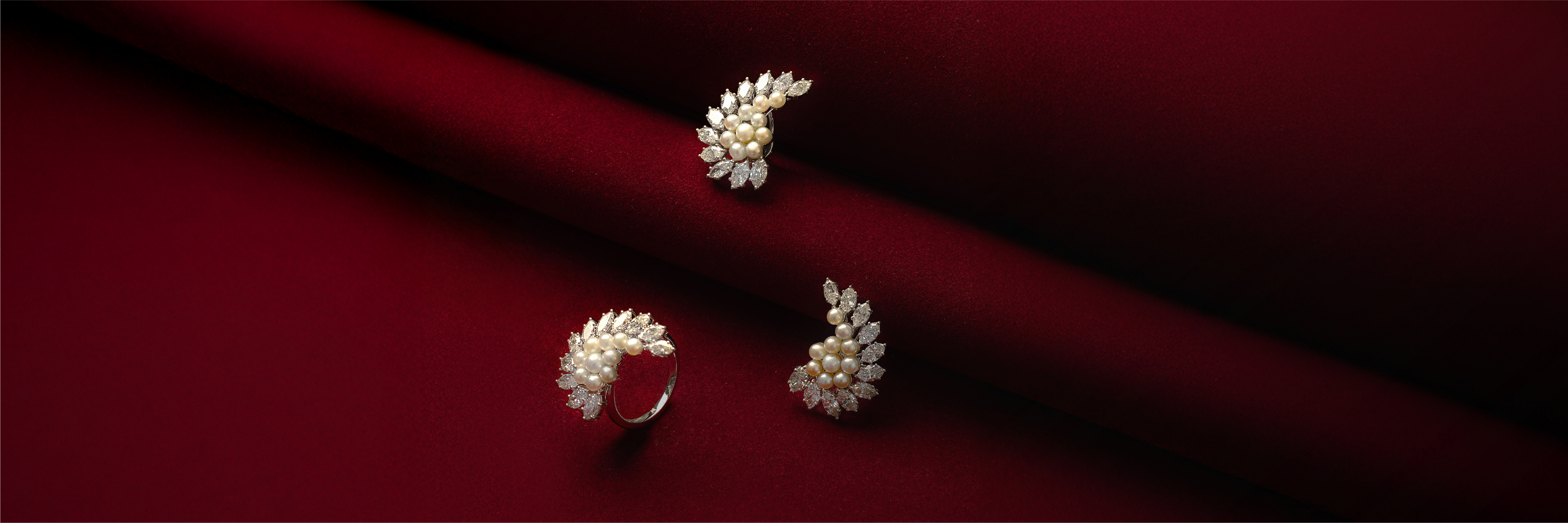
Bahrain has been connected to pearls for centuries, long before the modern jewellery industry existed. What sets Bahraini pearls apart is simple but important: they are natural pearls, formed without any human intervention.
Most pearls sold around the world today are cultured, meaning a small irritant is manually inserted into an oyster to trigger pearl formation. Bahrain, on the other hand, has protected its pearl banks and does not allow pearl cultivation within its waters. Every pearl harvested from the Arabian Gulf near Bahrain forms entirely by chance, through natural processes in the oyster over several years.
This is not a minor technical difference. Natural pearls are considerably rarer than cultured ones, and that rarity is a big part of why Bahraini pearls hold such strong value in the jewellery market. When you choose a piece of Bahrain pearl jewellery, you are choosing something that took nature years to create, with no shortcuts involved.
At Al Jiwan Jewellery, this natural origin is something we take seriously. Every pearl we work with is sourced with authenticity in mind, because we believe a customer should never have to question what they are paying for.
How to Tell If Your Pearls Are Genuine
Authenticity is usually the first concern for anyone new to pearl jewellery Bahrain has to offer. Here are a few practical ways to check:
The Tooth Test
Gently rub the pearl against the edge of your front tooth. Genuine pearls feel slightly gritty or sandy because of their natural layered structure. Fake or plastic pearls feel completely smooth, almost glassy.
Weight and Temperature
Real pearls feel cool to the touch initially and warm up slowly against your skin. They also tend to feel heavier than you would expect for their size, since imitation pearls are often made from lightweight materials like plastic or glass beads.
Surface Irregularities
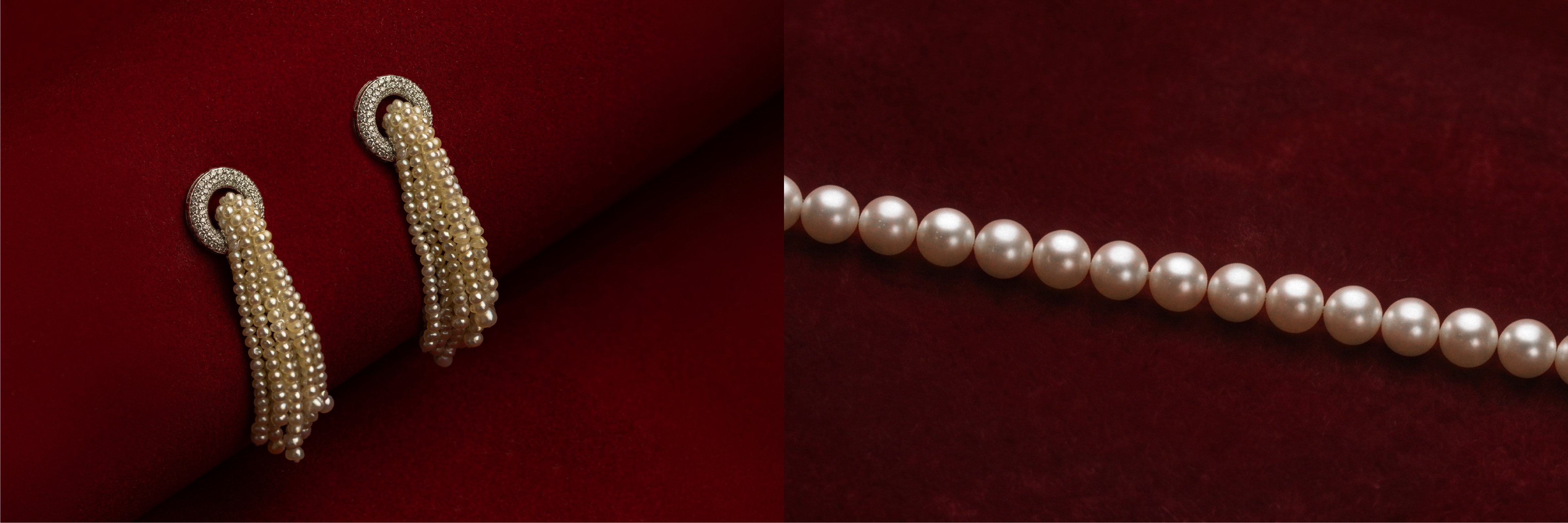
Natural pearls are rarely perfectly round or perfectly smooth. Slight irregularities, tiny surface variations, and subtle differences from one pearl to the next are actually good signs. Machine-made imitations tend to look suspiciously uniform.
Certification
For higher-value purchases, always ask for a certificate from a recognized gemological laboratory. This document confirms whether the pearl is natural, cultured, or imitation, along with details on its origin. Any reputable jeweller, including Al Jiwan Jewellery, should be able to provide proper documentation for natural Bahraini pearls without hesitation.
Understanding Pearl Grading
Once authenticity is confirmed, the next step is understanding grading, since this is what determines how much a pearl is actually worth. Four main factors are used to grade pearls.
Luster
Luster refers to how the pearl reflects light. High-quality pearls have a deep, mirror-like glow that seems to come from within the pearl itself, rather than sitting only on the surface. Lower-quality pearls tend to look chalky or dull, even under good lighting.
Size
Size affects value simply because larger natural pearls are harder to find. A well-formed Bahraini pearl of significant size, without cultivation to speed up growth, represents years of natural development, which naturally pushes its value higher.
Shape
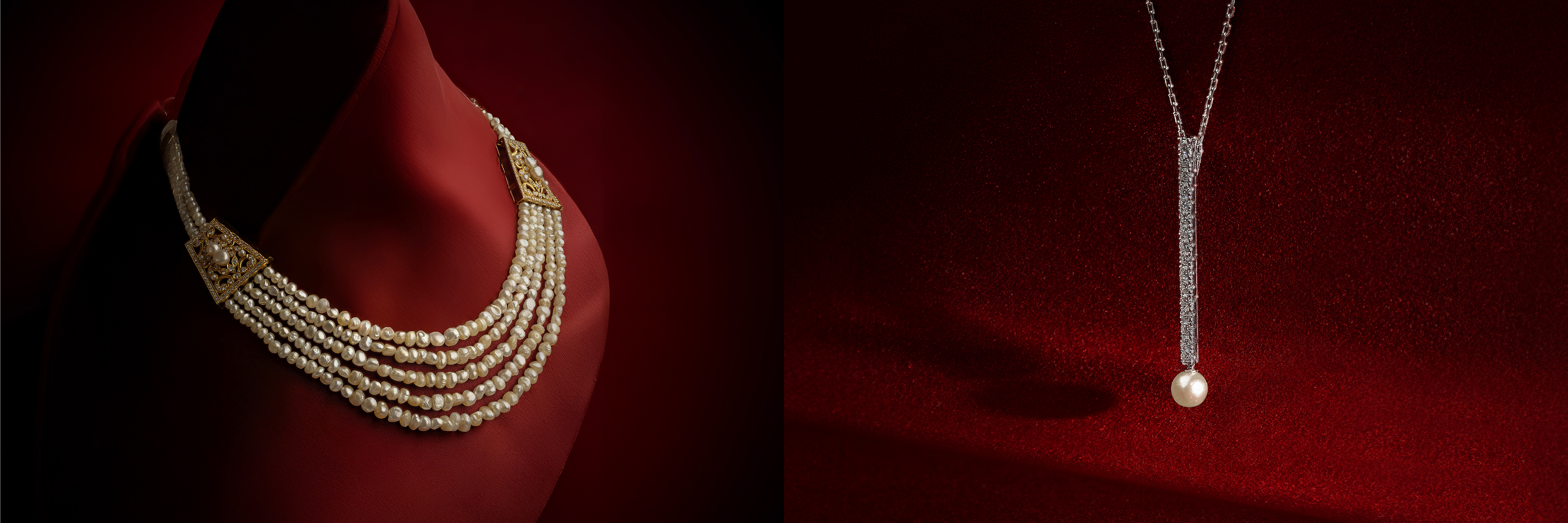
Perfectly round pearls are considered the most desirable and are also the rarest. Other accepted shapes include oval, button, and baroque, each bringing its own character. Baroque pearls, with their irregular and unique shapes, have actually become quite popular for people who want a piece that feels one of a kind.
Orient
Orient describes the subtle iridescent shimmer that seems to move across the pearl's surface as light hits it from different angles. This quality is often what separates an average pearl from an exceptional one, and it is something you notice more the longer you look at a piece.
When you shop with Al Jiwan Jewellery, our team can walk you through the grading of any pearl gold jewellery piece you are considering, so you understand exactly what you are investing in and why it is priced the way it is.
What Affects the Price of Bahraini Pearls
Prices for Bahraini pearls can vary widely, and once you understand what drives those differences, shopping becomes much easier.
Rarity of natural formation: since cultivation is not practiced in Bahrain, every natural pearl found is essentially one of a kind. This scarcity alone drives prices higher compared to cultured pearls available elsewhere.
Matching quality in a set: if you are buying a necklace or bracelet made of multiple pearls, finding pearls that match closely in size, color, and luster takes considerable skill and time. Well-matched sets command a premium.
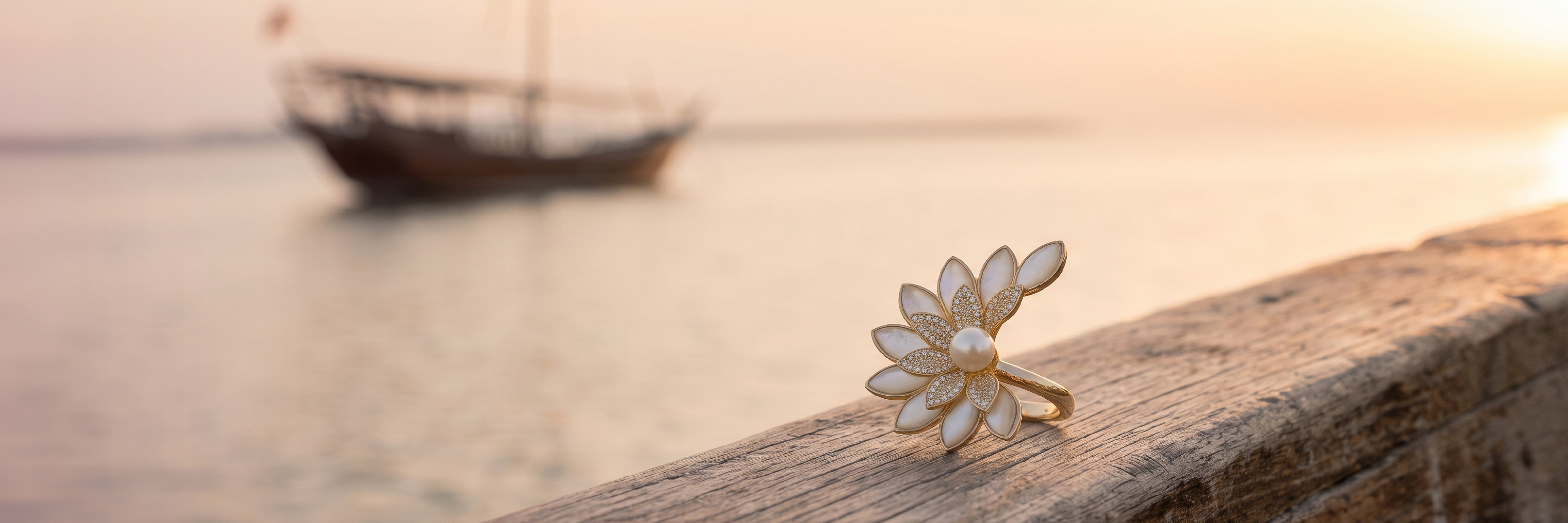
Metal setting: many Bahraini pearls are set in gold, and the price of pearl gold jewellery reflects both the pearl's value and the gold used in the setting. Higher karat gold, along with detailed craftsmanship, adds to the overall cost.
Historical and cultural value: pearls with documented history, or those sourced through traditional diving methods still practiced by a small number of divers today, often carry additional value due to their connection to Bahrain's pearling heritage.
Market demand: like most fine jewellery, demand plays a role too. Certain shapes, colors, or sizes may be trending at a given time, which can influence pricing even for pearls of similar quality.
Tips Before You Buy
A few practical points to keep in mind as you shop:
-
Always ask whether the pearl is natural or cultured, and request documentation for higher-value pieces
-
Compare luster and orient in natural light, not just under store lighting
-
Do not assume a perfectly round pearl is automatically better. Slight irregularities can indicate authenticity
-
Consider how the piece will be worn. An everyday pearl gold jewellery piece may prioritize durability, while a special occasion piece might focus more on size and luster
-
Buy from a jeweller with a strong reputation and transparent sourcing practices
This last point matters more than people realize. The pearl jewellery Bahrain market includes everything from highly reputable sellers to those who are far less transparent about what you are actually buying. Working with an established name like Al Jiwan Jewellery means you are getting straightforward information, honest pricing, and pieces that hold real value over time.
Caring for Your Bahraini Pearls
Once you have made your purchase, proper care keeps your pearls looking beautiful for years. Pearls are softer than most gemstones, so a little extra attention goes a long way.
Avoid spraying perfume, hairspray, or other chemicals directly onto your pearls, since these can dull their luster over time. It is best to put on your pearl jewellery after applying any beauty products, not before. Store pearls separately from other jewellery, ideally in a soft pouch, to prevent scratches from harder gemstones or metal edges.
Wipe your pearls gently with a soft, slightly damp cloth after wearing them, especially if you have been out in humid weather or sweating. This simple habit removes any residue before it has a chance to settle into the pearl's surface. With the right care, a well-chosen piece of Bahraini pearl jewellery can genuinely last for generations, which is part of why so many families treat theirs as heirlooms.
Final Thoughts
Bahraini pearls are not just another jewellery option. They represent a natural process shaped by time, patience, and a part of the world with a deep pearling history. Understanding authenticity, grading, and the factors that influence pricing puts you in a much stronger position as a buyer, whether you are purchasing your first pearl piece or adding to a growing collection.
At Al Jiwan Jewellery, we believe every customer deserves to understand exactly what they are buying. If you are ready to explore genuine Bahraini pearls, our team is always happy to guide you through your options and help you find a piece that truly feels worth it. Have questions about a specific piece, or want to see what is currently available? Call Al Jiwan Jewellery at 32060020 or email info@aljiwanjewellery.com, and we will help you find pearls that are genuinely worth treasuring.