BHD
BHD
 USD
USD
 SAR
SAR
 AED
AED
 OMR
OMR
 QAR
QAR
 KWD
KWD
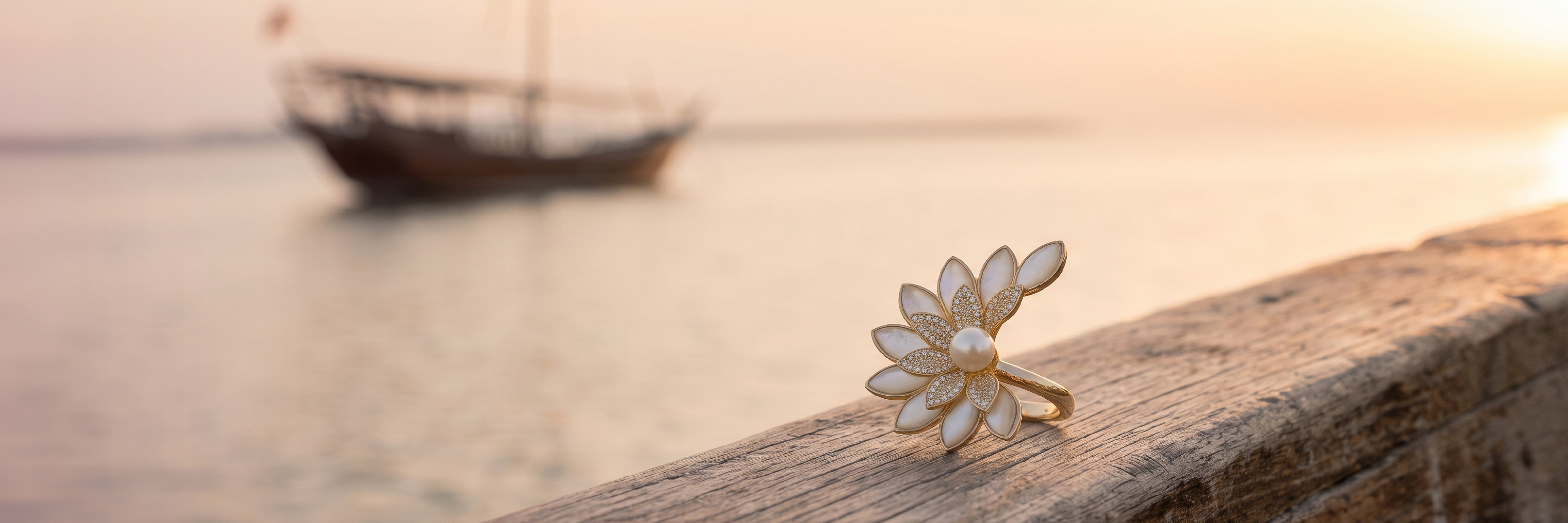
Long before Bahrain became known for skyscrapers or finance, it was known simply as the "Pearl of the Gulf." For thousands of years, the waters surrounding this small island produced some of the finest natural pearls the world had ever seen, drawing traders, merchants, and even royal jewellers from thousands of miles away.
That history didn't disappear when the pearling industry declined. It lives on in the way Bahraini pearls are still sourced today, in the natural pearl banks the country continues to protect, and in every piece of Bahraini pearls jewellery that carries that legacy forward. This is the story of how it all began, and why it still matters every time you choose a natural pearl over an ordinary one.
A History That Runs Deeper Than Most People Realize
Pearl diving in Bahrain isn't a modern tradition. Archaeological evidence suggests it was practiced as far back as 2000 BC, making it one of the oldest known industries in the region. Ancient writers took notice too. The Roman historian Pliny the Elder once described pearls from the Gulf as among the most perfect in the world, and other classical writers documented divers working the waters around what was then called Tylos, an ancient name for Bahrain.
By the time of the Islamic Golden Age, pearling had become the backbone of Bahrain's economy, alongside trade routes that connected the region to the broader Middle East. Pearls weren't just a local commodity. They traveled to markets across Asia, Europe, and beyond, carrying Bahrain's reputation with them. Even in the early 1900s, Bahrain remained a dominant force in the global pearl trade, well known enough that renowned jeweller Jacques Cartier personally traveled there in 1912 to source pearls for his own luxury house.
Royal history carries traces of this legacy too. One of the most famous examples is a set of pearl drop earrings gifted to Queen Elizabeth II in 1947, crafted using natural Bahraini pearls presented as a wedding gift. Pieces like this are a reminder that Bahrain's pearls weren't just locally treasured, they were considered among the finest in the world by royalty and jewellers alike.
The Divers Behind Every Pearl
The Diving Season and Daily Risk
For centuries, pearl diving followed a strict seasonal rhythm, typically running from June through September, when waters were calm enough for extended diving. Divers, known locally as ghawwas, would spend months at sea, diving repeatedly into deep water with nothing more than a nose clip carved from bone and weighted stones tied to their ankles to help them descend quickly.
Each dive lasted only a minute or two, but divers repeated this process dozens of times a day, every day, for the entire season. The work was physically brutal and genuinely dangerous, with real risks including exhaustion, decompression sickness, and encounters with marine life. Yet it formed the foundation of an entire economy and a way of life passed down through generations of Bahraini families, with many households having at least one relative who spent their summers diving for pearls.
Merchants, Divers, and a Structured Trade
The pearling industry wasn't just about diving. It operated as a structured system built around clear roles. At the top were the tawash, pearl merchants who financed diving expeditions and connected Bahrain's pearls to international markets. Beneath them worked the ghawwas, the divers who did the physically demanding work of retrieving oysters from the seabed, alongside boat crews, haulers, and captains who kept each expedition running.
This entire system, refined over centuries, is part of why Bahrain became one of the most respected sources of natural pearls anywhere in the world, long before "natural pearl jewellery" was even a phrase buyers needed to search for. Trust between divers, merchants, and international buyers was everything, and a merchant's reputation could take years to build and only moments to lose if a shipment's quality didn't hold up.
From Global Trade Hub to Cultural Heritage
Everything changed in 1932, when oil was discovered in Bahrain. The economy shifted quickly, and many pearl divers and merchants moved into the new oil industry, which offered steadier, less physically dangerous work. Within a generation, the once-dominant pearling trade declined significantly.
But the legacy never disappeared entirely. Rather than fading into history books, Bahrain's pearling heritage has been actively preserved. Old Muharraq, once the capital of Bahrain during the peak pearling years, is now home to the Pearling Path, a UNESCO World Heritage site recognized in 2012. The 3.5-kilometer trail winds through restored merchant houses, historic oyster beds, and landmarks that tell the story of the ghawwas and tawash who built Bahrain's reputation in the first place.
Today, Bahrain has even reintroduced pearl diving licenses, allowing both locals and visitors to experience the tradition firsthand, reconnecting a new generation with a piece of history that shaped the island's identity long before oil ever did.
How This Legacy Still Shapes Pearl Jewellery Today
Why Bahrain Still Protects Natural Pearls
Here's where history directly connects to what you can buy today. Unlike most pearl-producing regions in the world, Bahrain does not permit pearl cultivation within its waters. Every pearl harvested here still forms entirely without human intervention, exactly as it did centuries ago. This isn't just tradition for tradition's sake. It's a deliberate choice that keeps Bahraini pearls genuinely rare in a global market dominated by cultured alternatives.
From Seabed to Modern Design
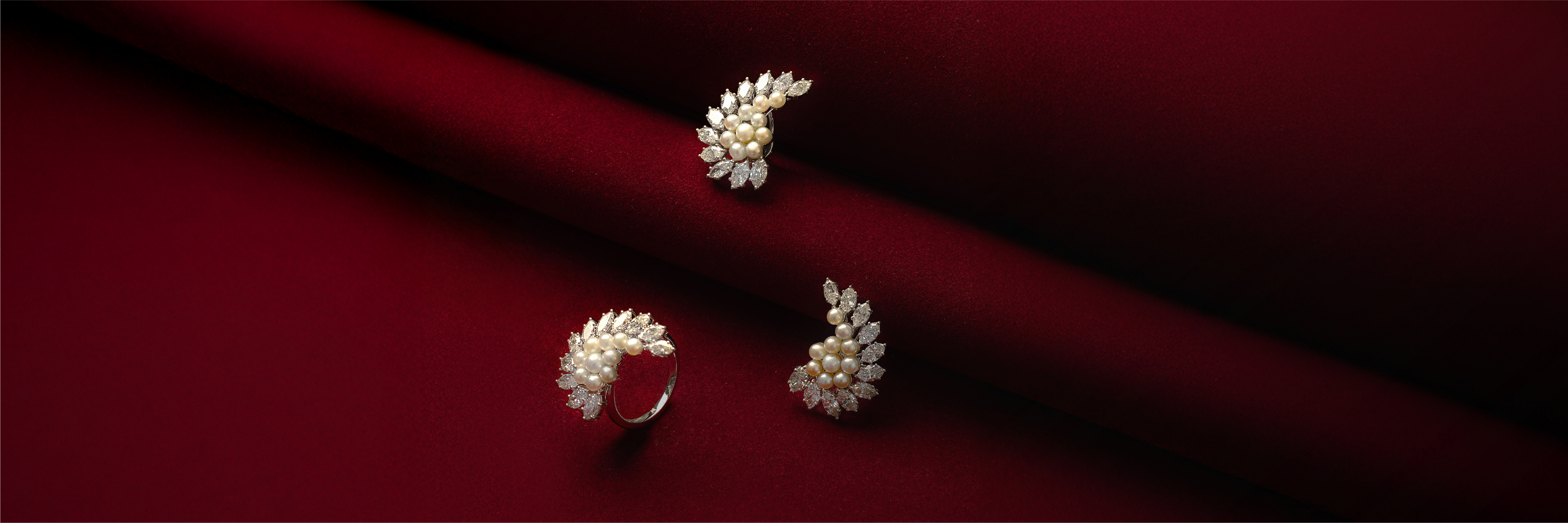
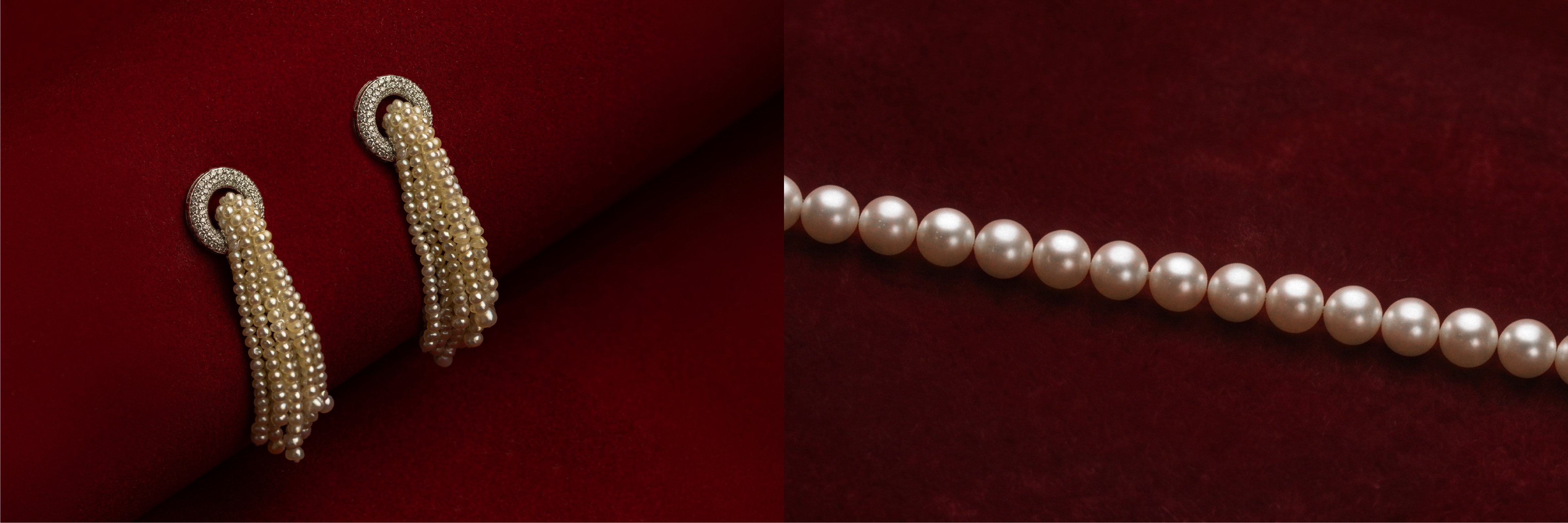
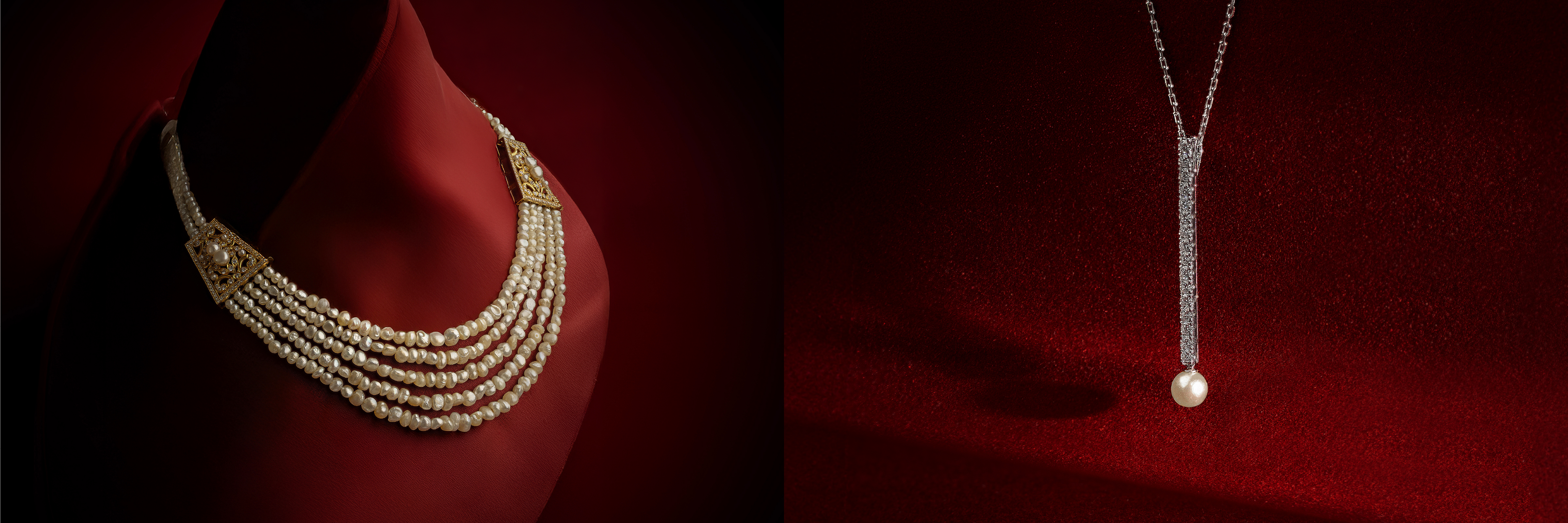
That same natural pearl, once retrieved by a diver holding their breath a hundred feet underwater, eventually finds its way into modern jewellery design. Whether set into elegant pearl necklaces, styled as a delicate pearl pendant necklace, worn as everyday pearl earrings or eye-catching gold pearl earrings, or combined with diamonds in a statement pearl diamond necklace, the pearl itself carries the same origin story it always has: formed by chance, retrieved by hand, and shaped by centuries of tradition.
This is part of what makes shopping for pearl jewellery in Bahrain different from buying pearls almost anywhere else. You aren't just choosing a gemstone. You're choosing a piece connected to one of the region's oldest and most respected industries.
Al Jiwan Jewellery: Carrying the Legacy Forward
At Al Jiwan Jewellery, this history isn't just background information, it directly shapes how every piece is sourced and made. Working exclusively with natural Bahraini pearls means honoring the same standards the ghawwas and tawash built their reputation on generations ago, rather than taking shortcuts modern cultivation methods make easy elsewhere.
Every collection reflects that same commitment to authenticity, whether it's classic pearl necklaces, a delicate pearl pendant necklace, gold pearl earrings, or a statement pearl diamond necklace. If you'd like to see how this legacy comes to life in modern pieces, our team is always happy to help. Call us at 32060020, and we'll guide you toward a piece that carries this history the right way.
Final Thoughts
From a diver descending into dark water with nothing but held breath and instinct, to a finished piece resting in a jewellery box today, the journey of a Bahraini pearl hasn't really changed all that much. The tools have evolved, but the source hasn't. Every natural pearl still begins the exact same way it always has, formed quietly beneath the Gulf, waiting to be found.
The next time you choose a piece of pearl jewellery, whether it's a simple pair of pearl earrings or a treasured heirloom necklace, it's worth remembering that you're not just buying a gemstone. You're carrying forward a legacy that took Bahrain thousands of years to build.
Frequently Asked Questions
Why is Bahrain famous for pearls?
Bahrain has a pearling history dating back thousands of years, supported by shallow, oyster-rich waters that made it one of the most productive natural pearl sources in the world. For centuries, it was a major hub in the global pearl trade, known internationally for the exceptional quality of its natural pearls.
Are Bahraini pearls still harvested today?
Yes, though on a much smaller scale than during the industry's historical peak. Bahrain has reintroduced pearl diving licenses in recent years, allowing both professional and recreational divers to harvest natural pearls, keeping the tradition alive alongside the modern jewellery market.
Why don't natural Bahraini pearls come from pearl farms?
Bahrain does not permit pearl cultivation within its waters, a policy that protects the country's natural pearl banks and preserves the same conditions that made Bahraini pearls famous in the first place. This means every Bahraini pearl still forms entirely by chance, without any human intervention.